

TLDR: Akagera National Park divides roughly into three zones: the northern savanna plains (best for Big Five game drives), the southern lake region around Lake Ihema (boat safaris, hippos, birding), and the gate area at the South Gate (park HQ, fee payment, guide hire). Mantis Akagera Game Lodge sits on a ridge overlooking Lake Ihema in the southern-central section. The park covers 1,122 square kilometres. Understanding the layout saves you time and puts you in the right place at the right hour.

Insider Tip
The northern savanna plains and the southern lake region feel like two different parks. If you only have one day, pick one and commit to it. Two nights lets you cover both properly, and that is the real sweet spot.
How the Park Is Laid Out

Akagera National Park runs along Rwanda’s eastern border with Tanzania. It stretches about 80 kilometres north to south and roughly 30 kilometres across at its widest point. The single entry point is the South Gate, on the park’s southern tip near the town of Kabarore.
From the South Gate, one main road heads north through the park. Side loops branch off to specific lakes, viewpoints, and wildlife corridors. Think of it as a single spine with ribs. You cannot loop through the park on a ring road – you drive north along the main track and return the same way, or take one of the designated loop routes through different terrain.
The park splits into three broad zones, each with different terrain, different animals, and different reasons to visit. Here is what each one looks like on the ground.
Planning your Akagera trip? Mantis Akagera Game Lodge sits on a ridge overlooking Lake Ihema, right inside the park. Guests rate it 9.1/10 on Booking.com.
Check availability and prices on Booking.com
Planning your stay? Check current rates at Mantis Akagera Game Lodge – a convenient base for exploring Akagera.
The South Gate Area
This is where every visit starts. The South Gate is Akagera’s only entrance, and it sits at the park’s southern tip, roughly 110 kilometres (52 miles) east of Kigali. The drive from Kigali takes 2 to 2.5 hours on paved roads through Rwamagana.
At the gate you will find park headquarters, the fee payment office (Visa, MasterCard, mobile money accepted), and the ranger guide desk where you can hire a guide for $25 (half day) or $40 (full day). There are basic coffee shops and restrooms here. You can also pick up a printed park map – do this, because phone signal inside the park is unreliable.
The terrain near the South Gate is rolling hills covered in acacia woodland and thicket. Wildlife sightings start almost immediately after you enter. Giraffes, impalas, topis, and zebras are common within the first few kilometres. Buffalo herds graze the open patches between the trees.
Akagera Rhino Lodge sits close to the South Gate and is the most budget-friendly accommodation option in the park area. It is a practical choice if you are arriving late or leaving early and want to minimise driving time.
The Southern Lake Region (Lake Ihema Area)

This is the heart of the park for most visitors, and it is where Mantis Akagera Game Lodge is located. Lake Ihema is Rwanda’s second-largest lake at 90 square kilometres, and the area around it combines open savanna, papyrus swamps, and shoreline habitat into one of the most wildlife-dense sections of the park.
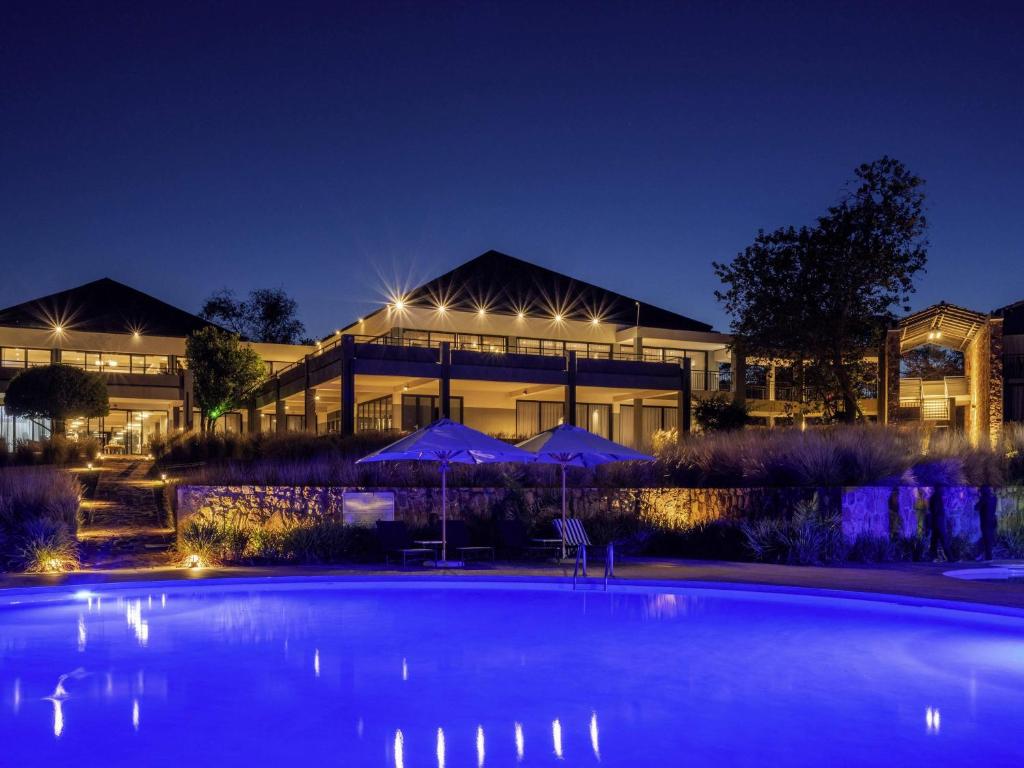
The lodge sits on a ridge above the lake with direct views over the water. From the terrace of the Shoebill Restaurant, you can watch hippo pods and waterbirds without moving from your breakfast table. The lake is also the departure point for boat safaris, which run four times daily at 7:30am, 9:00am, 3:00pm, and 4:30pm ($40 per person shared, $180 private).
What you will see here: Large hippo pods (some over 30 animals), Nile crocodiles basking on the banks, elephants drinking at the shore in the late afternoon, and hundreds of waterbird species. The papyrus swamps along the western lakeshore are the best place in Rwanda to look for the shoebill stork – one of Africa’s most sought-after birds, and the reason the lodge restaurant carries its name.
The Lake Ihema area is best visited in the afternoon for shore-based wildlife and early morning for the boat safari. The light at 7:30am on the water is exceptional for photography.
Other lakes in the southern section include Lake Shakani and Lake Birengero. These smaller lakes attract different species and fewer visitors. If you have a second day in the park, exploring these quieter water bodies gives you a different perspective from the main Lake Ihema circuit.
“Great location and a really practical base for exploring the area. We could get to everything we wanted to see without any hassle. The neighbourhood felt safe and had plenty of places to eat nearby.”


The Northern Savanna Plains
The northern third of Akagera is classic East African savanna – wide grasslands, scattered acacia trees, and open plains stretching to the Tanzanian border. This is where the Big Five game drives happen.
Lions were reintroduced to the park in 2015 and are now breeding well. They are most often spotted on the northern plains during early morning drives (6:30am starts). White rhinos, bolstered by the arrival of 70 animals from South Africa in June 2025, bringing the total to over 110, are increasingly seen in this zone. Black rhinos are also present but far more elusive.
The Kilala Plains, in the park’s northeast, are particularly rewarding. Large herds of Cape buffalo, elephants, elands, and zebras gather here, especially in the dry season (June through September) when water sources shrink and animals concentrate around the remaining pools.
Karenge Bush Camp, reopened in May 2025, sits on the Kilala Plains and is the only accommodation option in the northern section. It has seven canvas tents and a rustic, intimate feel. Staying here puts you right in the heart of the Big Five action without the drive back south each evening.
The drive from the South Gate to the northern plains takes roughly 1.5 to 2 hours depending on road conditions and wildlife stops. If you are doing a full-day game drive, you will typically head north in the early morning and work your way back south through the afternoon.
The Wetland and Papyrus Corridors
Running along the park’s western boundary, a chain of lakes and papyrus swamps creates a distinct wetland ecosystem. This is not a separate zone you drive to – it weaves through both the southern and central sections of the park – but it deserves its own mention because the wildlife here is genuinely different from what you see on the plains.
The papyrus corridors are prime birding territory. Akagera hosts over 490 bird species, and many of the rarest are concentrated in these wetlands. Papyrus gonoleks, white-winged swamp warblers, and shoebill storks all favour this habitat. If you are a serious birder, budget extra time here and bring a spotting scope.
Sitatungas (a semi-aquatic antelope) live in the papyrus and are rarely seen elsewhere in Rwanda. They are shy and well camouflaged, so patience and a good guide make a real difference.
Getting Around Inside the Park
All movement inside Akagera is by vehicle. Walking is not permitted outside of designated areas for safety reasons – this is a Big Five park with free-roaming lions, elephants, and buffalo.
You have three options for getting around:
- Self-drive: Rent a 4×4 in Kigali and drive yourself through the park from 6am to 6pm. A vehicle with decent ground clearance is strongly recommended, especially in the wet season when some tracks get muddy. Fill up on fuel in Kigali or Rwamagana – there are no petrol stations in the park.
- Guided game drives: Hire a ranger guide at the South Gate ($25 half day, $40 full day) who rides in your vehicle. They know where animals were spotted that morning and will see things you would drive past. Strongly recommended for first-time visitors.
- Night drives: These run from 5:30pm to 8:30pm in a park vehicle with a spotlight. You cannot do night drives in your own car. This is your best shot at leopards, hyenas, and bush babies. Book at the gate or through your lodge.
Park roads are a mix of graded dirt and rougher tracks. The main north-south route is in reasonable condition year-round. Side loops vary – some are smooth, others require careful driving. Download offline maps before you arrive, and grab the printed map from the gate.
Which Area Should You Prioritise?
This depends on what you came to see and how much time you have.
One day (day trip from Kigali): Focus on the southern lake region. Enter at 6am, do a morning game drive through the southern section, take the 9am boat safari on Lake Ihema, and drive back to the gate by 4:30pm. You will see elephants, hippos, giraffes, buffalo, and dozens of bird species.
Two nights: Day one, head north for a full-day game drive covering the savanna plains and Kilala area. Day two, do the early boat safari and explore the southern lakes. Add a night drive on one of the evenings. This is the best balance of time and coverage.
Three or more nights: You can slow down. Spend a morning in the wetland corridors for birding. Revisit the northern plains at different times of day. Take a second boat safari. The multi-night discount on park fees (50% off each additional night for international visitors) makes longer stays better value too.
Big Five priority: Northern savanna plains, morning drive, starting at 6:30am. Lions and rhinos are most active in the first two hours of daylight.
Birding priority: Southern wetlands and Lake Ihema boat safari. The 7:30am departure is the best for water and shore birds.
“The setting is magical and beautiful, with delicious food and staff that cater to every need with friendliness and smiles.”
– Guest, verified guest
Where to Stay by Zone
Your accommodation choice determines which part of the park you explore first each morning – and in a park where the first two hours of daylight are the most productive, that matters.
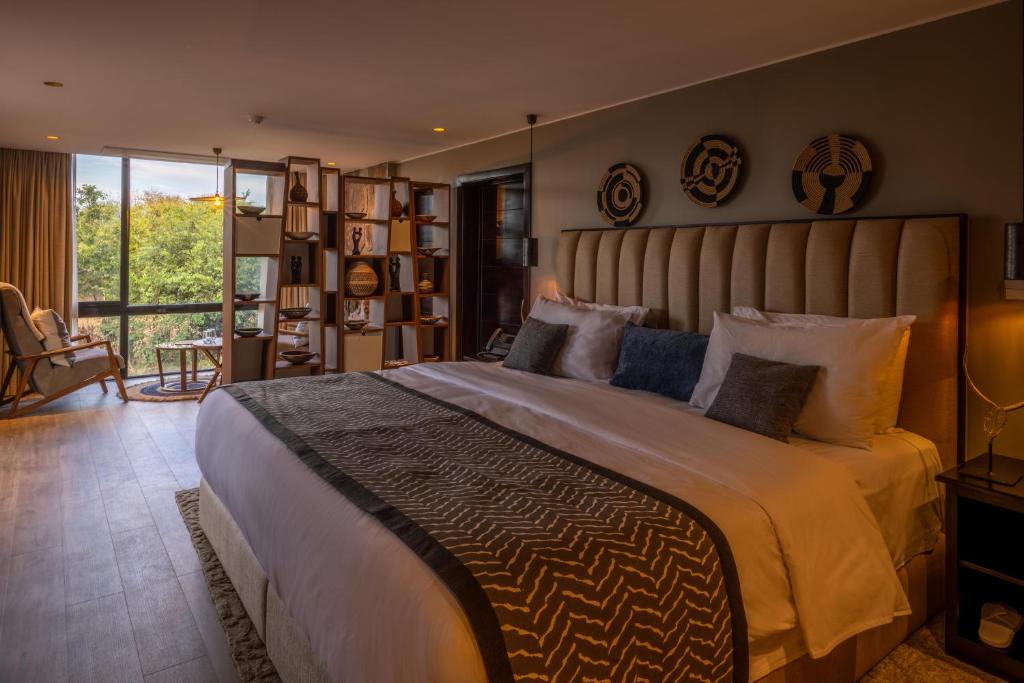
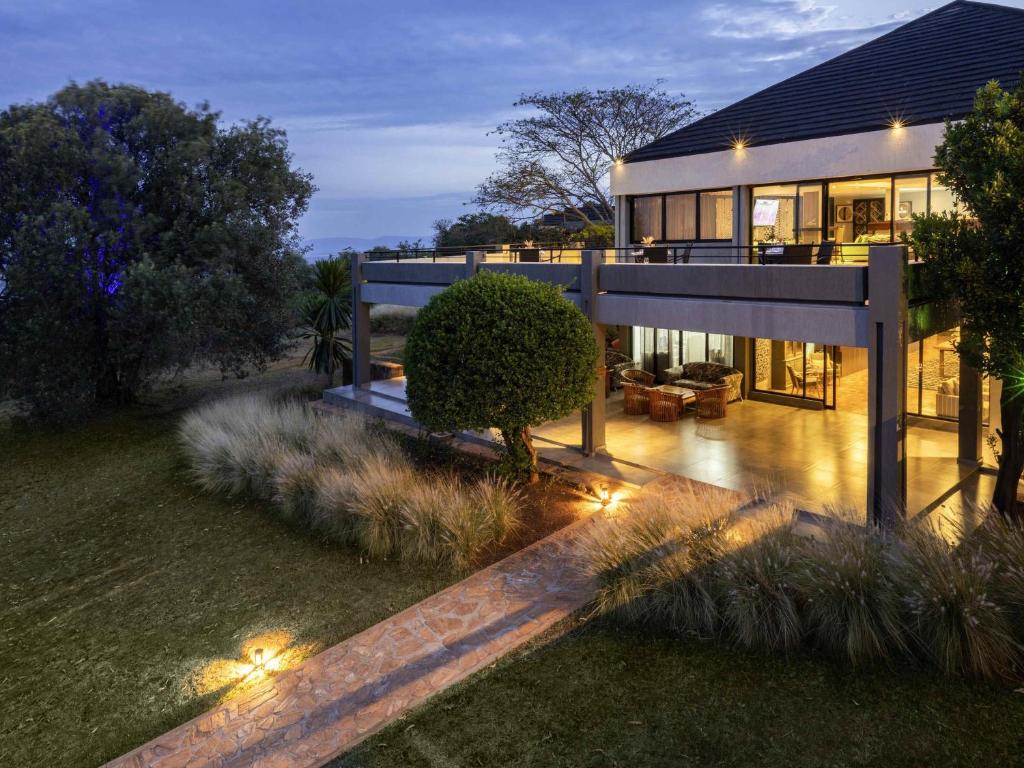
- Mantis Akagera Game Lodge (southern-central, Lake Ihema ridge): The top-rated option at 9.1/10 on Booking.com. Best for visitors who want comfort, the boat safari on their doorstep, and easy access to both zones. The Shoebill Restaurant, pool, and bar with fireplace round out a genuine base camp.
- Ruzizi Tented Lodge (south, near Lake Ihema): Nine solar-powered tents. All meals and game drives included. More intimate and closer to the water.
- Karenge Bush Camp (northern plains): Seven canvas tents on the Kilala Plains. Best for visitors who prioritise Big Five game drives and want to wake up already in lion territory.
- Wilderness Magashi (Lake Rwanyakazinga, northeast): The luxury option. Opened late 2025. Remote location and high-end experience.
- Akagera Rhino Lodge (near South Gate): Budget-friendly. Good if you arrive late or are doing a day trip.
- Campsites (four locations): Basic facilities with grills and bathrooms. Bring your own gear.
Stay Inside the Park at Mantis Akagera Game Lodge
Wake up to sunrise views over Lake Ihema. Walk to your game drive. Come back to a 9.6-rated breakfast. 413+ guests rate it 9.1/10 on Booking.com.
Check Availability on Booking.com
You might also find these useful: Akagera on a Budget: How to Save Without Missing Out, Best Day Trips from Akagera, Best Restaurants in Akagera: Where to Eat.
See Mantis Akagera Game Lodge for Yourself
Browse All Photos on Booking.com →
This post contains affiliate links. We may earn a commission at no extra cost to you.
Frequently Asked Questions
See Mantis Akagera Game Lodge for Yourself
Browse All Photos on Booking.com →
This post contains affiliate links. We may earn a commission at no extra cost to you.
What is the best area of Akagera National Park to visit?
It depends on your interests. The northern savanna plains are best for Big Five game drives (lions, rhinos, large herds). The southern Lake Ihema region is best for boat safaris, hippos, birding, and the shoebill stork. Most visitors with two or more nights cover both areas.
How long does it take to drive through Akagera?
From the South Gate to the northern plains takes about 1.5 to 2 hours one way, depending on road conditions and stops. A full-day game drive covering both zones runs from about 6:30am to 5pm. A half-day drive focusing on the southern section takes 3 to 4 hours.
Can you walk inside Akagera National Park?
No, not freely. Akagera is a Big Five park with free-roaming lions, elephants, and buffalo. You must stay in your vehicle on game drives. There are designated walking areas near some accommodation, and guided nature walks are available through some lodges and the park.
Where is Mantis Akagera Game Lodge located within the park?
The lodge sits on a ridge in the southern-central section of the park, directly overlooking Lake Ihema. It is about 20 to 30 minutes’ drive from the South Gate. This location gives easy access to both the boat safari departure point and the roads heading north to the savanna plains.
How many days do you need in Akagera?
Two nights is the sweet spot. That gives you time for a morning game drive to the northern plains, an afternoon boat safari on Lake Ihema, and a night drive. One day is possible as a day trip from Kigali but tight. Three or more nights is ideal for birders and photographers.
Is there only one entrance to Akagera?
Yes. The South Gate is the only entry and exit point. It opens at 6am and closes at 6pm daily. Park headquarters, the fee office, and the guide desk are all located here. Plan to arrive at opening time for the best wildlife sightings.
What is the best time of year to visit Akagera?
June through September (long dry season) is best for game viewing – grass is short, animals gather at water sources, and roads are in good condition. January and February (short dry season) are also excellent. The wet season brings greener scenery and peak birdlife but taller grass and muddier roads.
Do I need a 4×4 to drive in Akagera?
Strongly recommended. The main north-south route is passable in a standard vehicle during dry season, but side tracks and the northern section can be rough. In the wet season (March to May, November to December), a 4×4 with decent ground clearance is essential. Rent one in Kigali and fill up on fuel before entering – there are no petrol stations in the park.